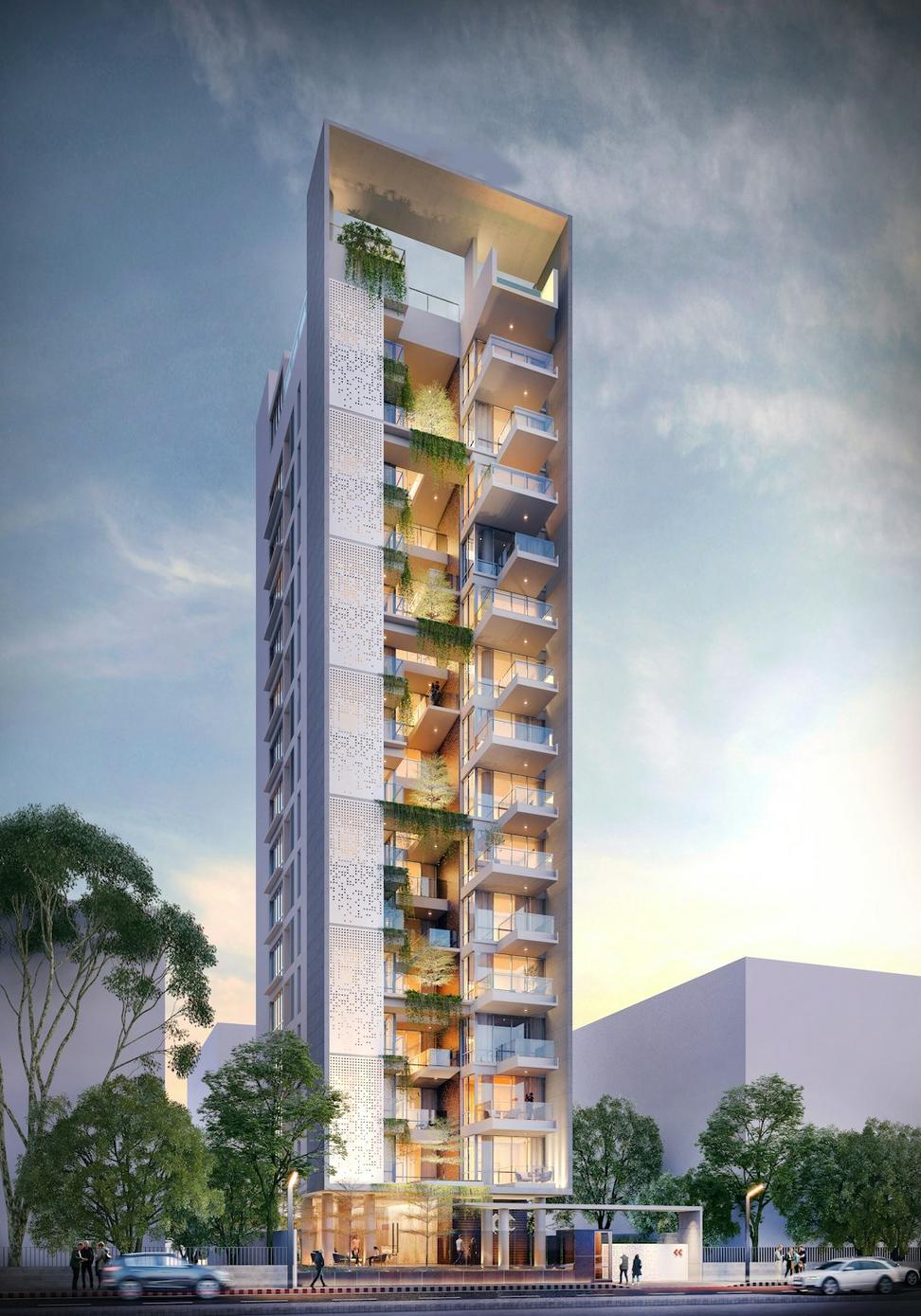
Building Tomorrow, Today
We're not just talking about sustainability—we're living it. Every project's a chance to make things right for the next generation.
Look, I've been in this field for over 15 years, and I've seen the tide shift. Back when we started RuneBlast, sustainability was this nice-to-have checkbox. Now? It's everything.
We're not perfect—no one is—but we're constantly pushing ourselves. Every beam, every window placement, every material choice gets scrutinized through the lens of environmental impact. Sometimes it costs more upfront, but the long-term gains? They're undeniable.
Our approach blends cutting-edge tech with lessons learned from how people built stuff centuries ago. Turns out, our ancestors knew a thing or two about working with nature instead of against it.
These aren't just numbers—they represent actual change across our completed projects since 2020.
% Average Energy Reduction
Million Litres Water Conserved Annually
Tonnes CO2 Offset
% Materials from Recycled/Local Sources
89% of our projects now include photovoltaic systems
94% climate-appropriate orientation and ventilation
76% native plant species in our landscape designs
We've earned these credentials through actual work, not just paperwork.
5 LEED AP professionals on staff. We've guided 23 projects to LEED certification, including 8 Gold-level achievements.
Designing ultra-low energy buildings since 2018. Three team members are certified Passive House designers.
Currently working on our second Living Building Challenge project—probably the toughest green standard out there.
Gold and Platinum builder with Built Green. We're big believers in their practical approach to sustainability.
We start every project by studying the site's microclimate. Wind patterns, sun angles, seasonal variations—all that stuff matters way more than people realize. I've seen buildings that could've cut their heating costs in half with better orientation alone.
We're kind of obsessed with embodied carbon these days. It's not just about how a building operates—it's about the carbon footprint of making all that steel and concrete. Local sourcing, recycled content, and low-impact alternatives are non-negotiables for us now.
Rainwater harvesting, greywater recycling, permeable surfaces—Vancouver gets enough rain that we should be using it smarter. Our commercial projects typically include full water reclamation systems that pay for themselves within 5-7 years.
Buildings need to adapt over time—families grow, businesses change. We design spaces that can be reconfigured without major demolition. It's less waste and more flexibility for whoever's using the space decades from now.
Tech's gotten really good at optimizing building performance. We integrate systems that learn usage patterns and adjust automatically. One of our office buildings reduced energy use by 22% in year two just from the AI figuring out the ideal settings.
Healthy buildings make people happier and more productive—there's solid research on this. We prioritize natural light, proper ventilation, non-toxic materials, and acoustic comfort. Your building shouldn't make you sick, y'know?
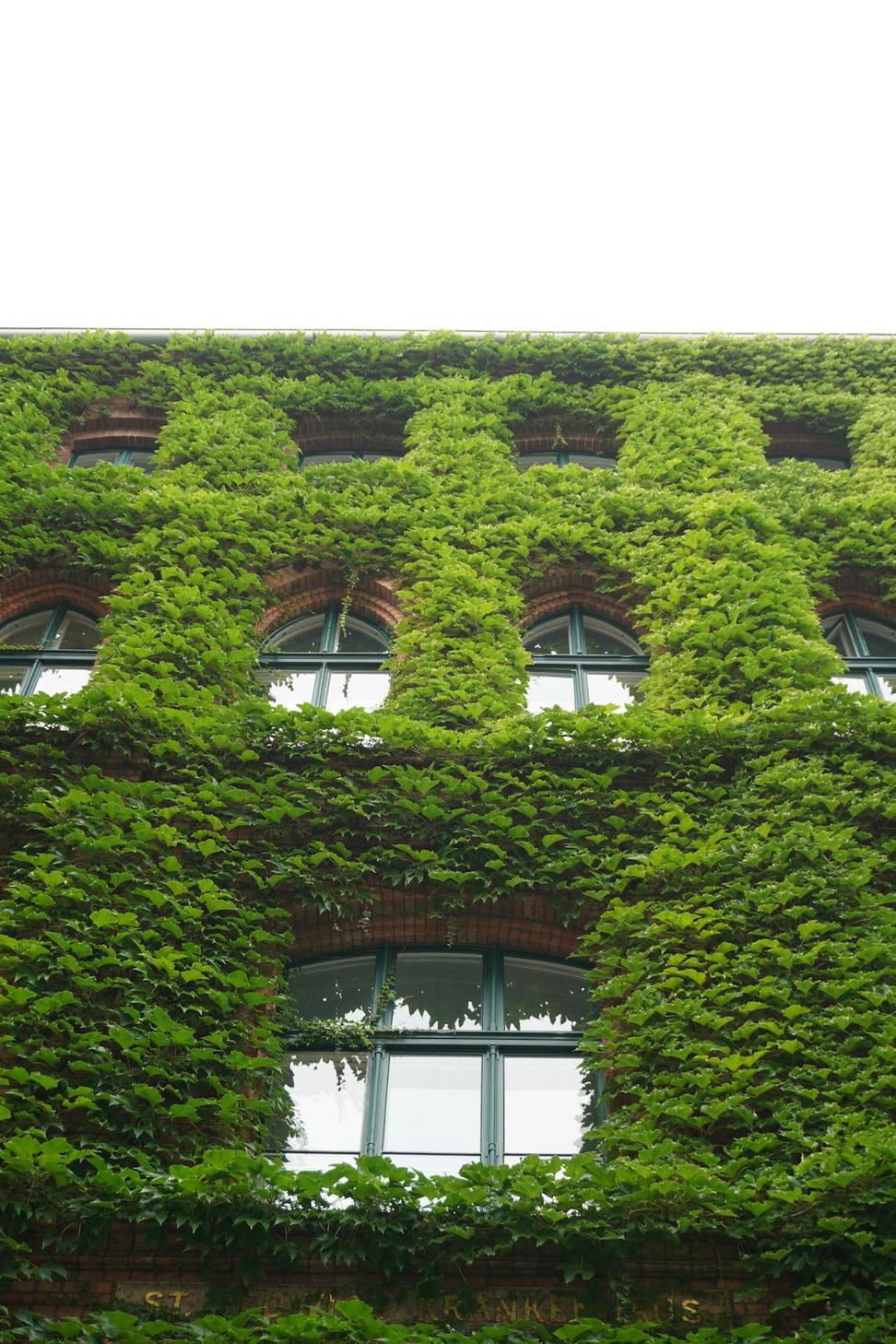
This 12-story mixed-use building in downtown Vancouver became our sustainability showcase. LEED Platinum certified, net-zero ready, and honestly one of the projects I'm most proud of.
We integrated a living wall facade that provides natural insulation, a rooftop solar array generating 68% of the building's energy needs, and a greywater system serving all 94 residential units. Construction waste was kept under 15%, and we sourced 89% of materials within 500km of the site.
Energy Reduction vs. Code
Litres Water Saved Yearly
We're not standing still. Here's what we're working toward over the next few years.
All our operations and new projects will be carbon neutral. It's ambitious but we're already 60% there.
Launching quarterly workshops to share what we've learned. No gatekeeping—the industry needs to get better together.
Expanding our mass timber capabilities. BC's forests can be a sustainable resource if managed right.
Vancouver's got tons of older buildings that need updating. We're developing retrofit solutions that work economically.
Got a project that needs a green approach? Or just want to talk about what's possible? We're always up for a conversation about sustainable design.